Technology & Innovation
Engineering Capabilities That Deliver Measurable Performance
From cell chemistry to system validation, our capabilities translate into high-performance lithium-ion battery systems built for real-world operating conditions.
Our R&D Pillars
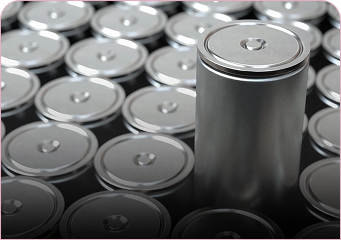
Cell Selection & Chemistry Optimisation
We evaluate and qualify lithium-ion chemistries across LFP, NMC and other advanced cell formats to match performance, safety, and lifecycle requirements.
Our systems are built using cell configurations with optimised energy density and long lifecycle performance.
- LFP chemistry for enhanced safety and stability
- 3500 cycle life at 80% depth of discharge
- Low self-discharge (~2–3% per month)
Outcome: Longer-lasting, safer battery systems designed for consistent performance over time.
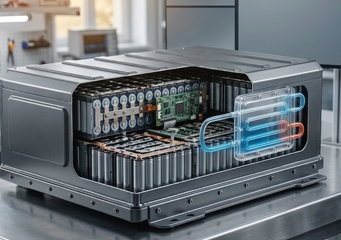
Pack Architecture & Thermal Design
Our battery packs are engineered for durability and consistent performance across operating environments. Mechanical design, enclosure integrity, and thermal behaviour are optimised for real-world usage.
- Metal enclosure with powder-coated finish for durability
- Operating temperature range from -5°C to 50°C for standard systems
- Extended operating environments up to -40°C to +55°C in advanced systems
Outcome: Stable performance across varied climates and demanding operating conditions.
BMS Integration & System Intelligence
We integrate advanced Battery Management Systems (BMS) to monitor, protect, and optimise battery performance in real time.
- Protection against overcharge, over-discharge, short circuit, and current fluctuations
- Temperature sensing and system traceability built into design
- Intelligent inverter–BMS coordination for system-level optimisation
Outcome: Safer operation, improved reliability, and better control over battery performance.
Thermal Modelling & Safety System Design
Thermal behaviour is one of the most critical factors in battery performance and safety. We model and design thermal systems to manage heat generation, dissipation, and cell balancing across operating conditions.
Our approach integrates pack architecture, material selection, and active system controls to ensure safe operation under stress, load variation, and environmental extremes.
- Stable operation across wide temperature ranges, from -5°C to 50°C in standard systems, and up to -40°C to +55°C in advanced applications
- Integrated temperature sensing for real-time monitoring and protection
- Multi-layer safety architecture including protection against thermal and electrical stress conditions
Outcome: Enhanced thermal stability, improved safety margins, and consistent performance across demanding real-world environments.
Safety, Validation & Lifecycle Testing
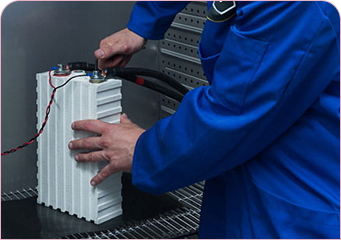
Our validation processes ensure every system performs reliably over time and under stress. Testing covers electrical safety, thermal behaviour, lifecycle durability, and compliance with global standards.
- Multi-level safety protection including fuse and breaker systems
- Compliance with IEC/EN standards and UN38.3 safety requirements